
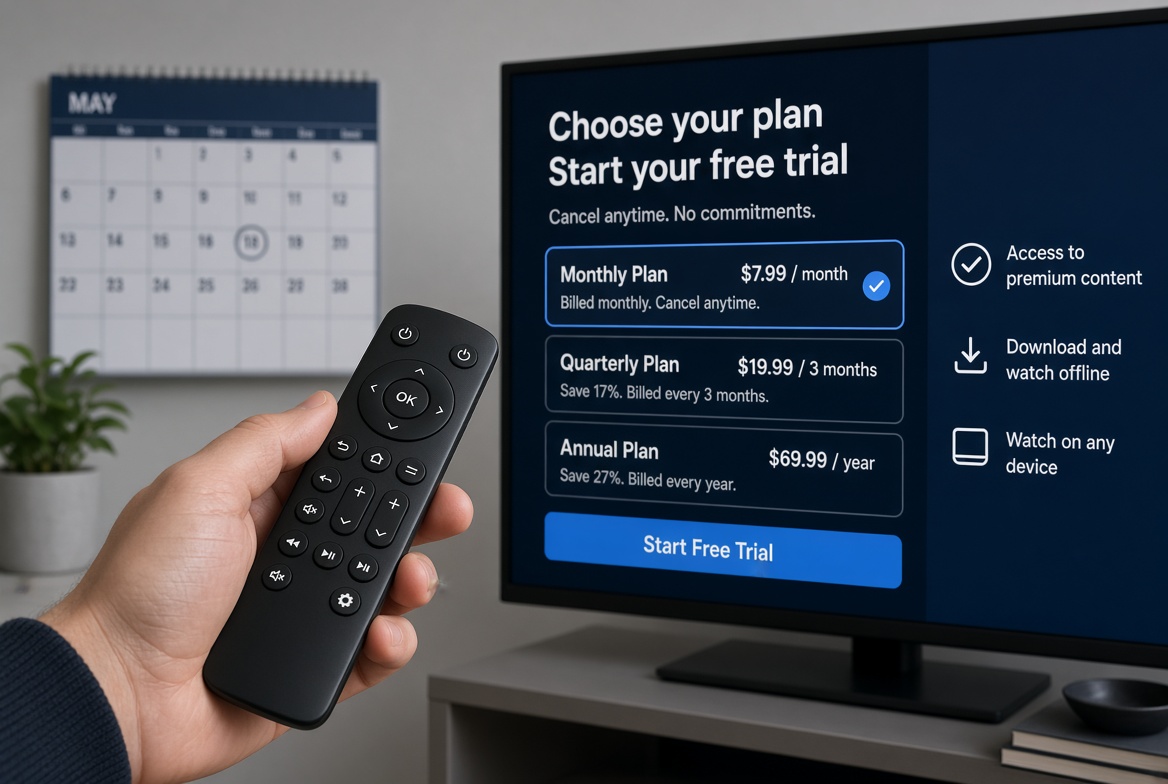
Short answer: most IPTV subscriptions, including RushStreams, don’t lock you into a long-term contract the way cable or satellite TV traditionally did — but IPTV contracts and auto-renewals still vary enough between providers that it’s worth understanding exactly what you’re agreeing to before you pay. Here’s what to actually check.
If you’re brand new to IPTV in general, our guide answering 12 IPTV questions beginners are afraid to ask is a good starting point alongside this one.
1. Is There a Minimum Contract Length?
Traditional cable providers built their business around 12- or 24-month contracts with early termination fees if you left early. Most IPTV subscriptions work differently — you’re typically paying for a set period (a month, three months, six months, or a year) with no obligation to continue afterward. When looking at IPTV contracts and auto-renewals, the first thing to confirm is whether you’re actually committing to anything beyond the period you’re paying for, or whether it simply ends unless you choose to renew.
2. What Does “Auto-Renewal” Actually Mean Here?
Auto-renewal simply means your subscription automatically continues and charges again at the end of your billing period unless you cancel first. It’s not inherently a bad thing — plenty of legitimate services use it for convenience — but it only works fairly when it’s clearly disclosed upfront and easy to turn off. According to the Federal Trade Commission’s consumer guidance on free trials and auto-renewals, the core issue regulators focus on isn’t auto-renewal itself, but whether consumers clearly understood they were agreeing to it and whether canceling is genuinely simple.
3. How Easy Is It to Cancel?
This is where IPTV contracts and auto-renewals cause the most frustration for consumers generally, not just in IPTV. If canceling requires emailing a vague support address and waiting days for a response, that’s a red flag. A trustworthy provider should let you stop future billing without unnecessary friction. This ties in closely with refund policies too — our guide on getting a refund if your IPTV subscription doesn’t work covers what to expect if something goes wrong after you’ve paid.
4. Will You Get a Reminder Before You’re Charged Again?
A transparent provider will make it clear when your renewal date is approaching, ideally with enough notice to cancel if you’ve decided not to continue. Citizens Advice research in the UK found that UK consumers spend an average of £160 a year on unwanted subscriptions, largely because renewal dates catch people off guard. Checking whether a provider gives any renewal notice at all is a simple way to avoid that trap with your IPTV subscription specifically.
5. Are the Terms Actually Written Down Anywhere?
If a provider’s billing terms, renewal policy, and cancellation process aren’t documented anywhere on their website, that’s worth treating cautiously. Reputable IPTV contracts and auto-renewals should be spelled out clearly — not something you only discover after you’ve already been charged. This is one of several warning signs covered in our guide on IPTV red flags before buying a subscription, alongside other signs of a less trustworthy provider.
6. Can You Switch Plans Without Penalty?
Life changes — maybe you need more connections for a growing household, or fewer once someone moves out. A fair subscription model lets you adjust your plan going forward without punishing you for the change. If a provider’s terms make switching plans difficult or costly, that’s often a sign their broader approach to contracts and billing isn’t built with the customer’s flexibility in mind.
7. What Payment Method Are You Using, and Does It Protect You?
Beyond the subscription terms themselves, how you pay matters too. Credit cards and reputable payment processors generally give you more recourse if a charge is disputed than less traceable payment methods. It’s worth thinking about this alongside the subscription terms themselves, since even a fair auto-renewal policy is easier to dispute or reverse through a payment method with proper buyer protections.
How RushStreams Handles This
To be direct about our own approach: RushStreams doesn’t lock subscribers into long-term contracts. You pay for the period you choose, and if you decide not to continue, you simply don’t renew — there’s no early termination fee or hidden penalty. If you do want ongoing convenience, that option exists too, but it’s a choice, not something buried in fine print. Our pricing page lays out exactly what each plan includes and how billing works, so there’s nothing to dig for after you’ve already paid.
Final Thoughts
Understanding IPTV contracts and auto-renewals before you subscribe comes down to a handful of straightforward questions: is there a minimum term, how does renewal actually work, how easy is cancellation, and are the terms clearly written down anywhere. None of this requires reading a lengthy legal document — a trustworthy provider makes these answers easy to find before you ever hand over payment details. If a service is vague or evasive about any of these seven points, that’s worth treating as a signal in itself, regardless of how good the channel lineup looks.